

How Storage Conditions Decide Your Sticker Material, Not the Look You Want
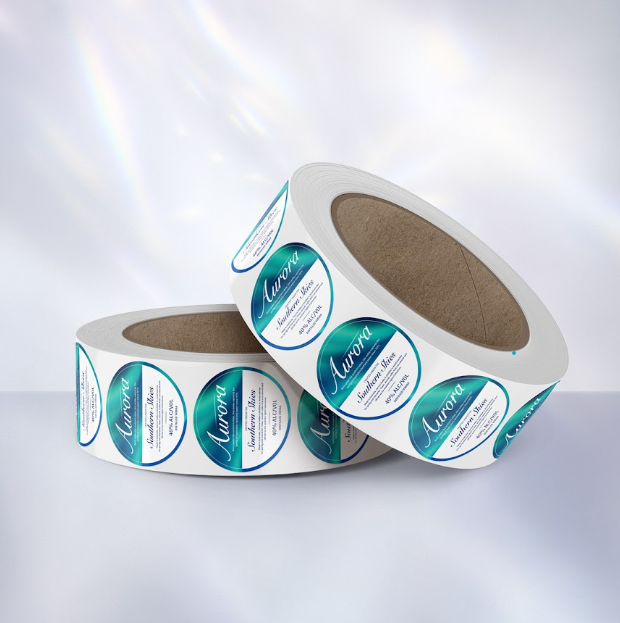
Learn how storage conditions, not appearance, should drive sticker material choice. Understand when laminated paper performs reliably and when synthetic stock becomes the safer option for chilled or oily products.
Key Takeaways
- Choose sticker material based on the conditions your product moves through between production and purchase, not on how the artwork looks.
- Laminated paper handles dry goods well at room temperature, while synthetic stock earns its cost once refrigeration, condensation, or oil-based contents enter the picture.
- Testing a short run under real handling conditions costs far less than discovering an adhesive or discolouration problem across a full production quantity.
Everyone opens with colours and fonts, and nobody asks where the thing is actually going to sit. That is backwards. Anyone hunting for sticker printing Sydney should settle the storage conditions first, because a lovely sticker that curls in a chiller is still a failure.
Work out what your product goes through between leaving production and reaching a customer. Chilled, room temperature, greasy contents, knocked about in transit. That answer points at a material far better than any mood board, which is why sticker printing Sydney decisions should start with conditions rather than looks.
Same Look, Completely Different Behaviour
Laminate hides the difference
Once a laminate is applied, paper and synthetic materials are almost impossible to tell apart. Customers cannot spot it and neither can most people in the trade. The gap is not visual at all. It turns up weeks later in how the edges are behaving.
Absorbency explains everything
Paper absorbs moisture from the air and sometimes from whatever is inside the container. Synthetic does not. That single property drives nearly every difference in how the two age, and getting it wrong quietly undermines your quality assurance long before anyone complains.
Where Cheap Stock Gives Up
Failures are predictable
Material problems show up in fairly consistent ways, and knowing them lets you pick stock that dodges them. A scruffy corner on the shelf costs you more than the reprint does, because it makes customer acquisition harder for every product standing behind it.
- Edge lifting starts where condensation collects, so check the corners of anything that has been through a chiller.
- Discolouration usually comes from oil-based contents migrating through an unprotected face rather than surface contact.
- Scuffing in transit is common, and a laminate handles it at a fraction of the cost of a reprint.
- Adhesive failure often appears only after several temperature changes, so test small before committing large.
The Rundown Before You Order
Paper and synthetic both win in the right conditions. Laminated paper suits dry goods at room temperature and keeps costs sensible. Synthetic earns its extra cost the moment refrigeration, condensation or oils appear. Most sticker printing Sydney choices come down to that honest assessment rather than a preference for finish.
Sort out the conditions first. Match the stock to what you find. Then order with actual confidence. Chat with our team about what your product faces between production and shelf, and get pointed at a material that holds up rather than one that merely photographs well.