

Personalised Labels for Wine Bottles That Still Look the Part in an Ice Bucket
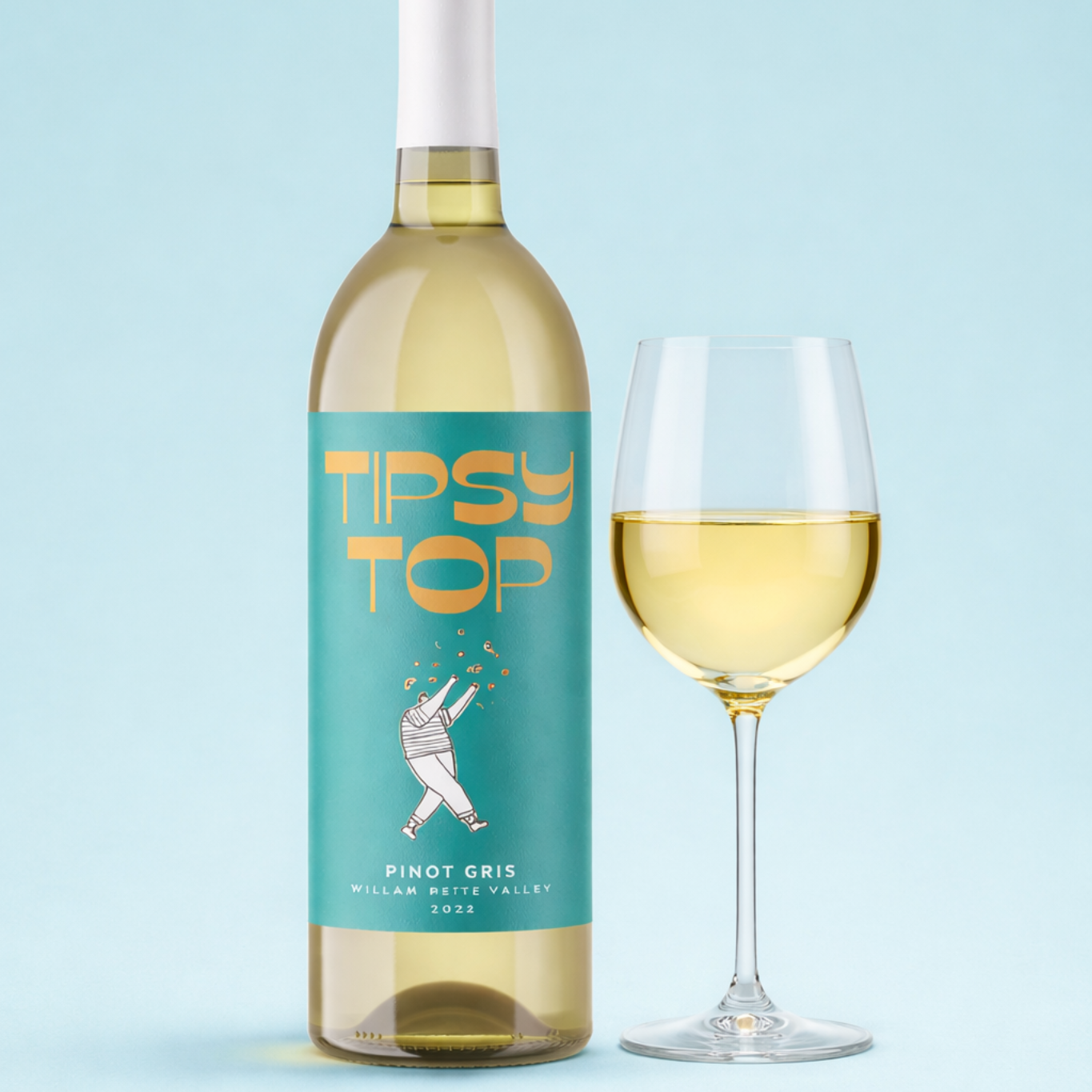
A chilled bottle sweats. That is just physics. What separates personalised labels for wine bottles worth ordering from the ones that end up peeling at the table is whether the paper underneath was ever built for a wet night out.
Straight From the Bottle
- Condensation does not care how good the sample looked on the desk.
- Serving conditions decide the right stock for personalised labels for wine bottles, and the design screen never will.
- An internal barrier lets uncoated paper stay textured through a full ice bucket session.
- Bottles that live their whole life refrigerated sit happier on smooth laminated stock.
- Wherever the wine gets poured, that is where the material earns its keep.
Nobody judges personalised labels for wine bottles at the printer. The real verdict lands at the table, twenty minutes after the bottle went into the ice, when guests are turning it around in wet hands. Some labels sail through that moment. A surprising number do not, and the artwork was never the problem.
Blame the condensation. It beads up on cold glass, sneaks under paper edges, and turns a handsome textured finish into something closer to a rained-on receipt. Personalised labels for wine bottles on the right stock come through the same evening untouched, still crisp, still flat, still doing their job while dripping wet.
Why Dry Bench Tests Tell You Absolutely Nothing
- The Showroom Trap: A label sample looks glorious when it arrives flat and untouched. That moment tells you nothing about serving night. Bottles get chilled, carried, gripped by wet hands and dunked back into ice between pours. Choosing stock based on how it photographs is how good branding ends up peeling at dinner parties.
- Where Adhesion Gets Decided: The bond between label and glass either survives temperature swings or it does not. Proper substrate adhesion starts with an adhesive designed for cold, wet surfaces, because a bottle pulled from an ice bucket is about as hostile as glass gets. General-purpose stock was never engineered for that environment, and it shows quickly.
- The Cost of Learning This Late: Reprinting an entire run because labels wrinkled at the launch event stings twice, once in the budget and once in front of guests. Distributors notice tatty bottles. So do restaurant buyers deciding which wines earn a list spot. Material choice quietly protects margins long before anyone actually tastes the wine.
Texture or Toughness Is a False Choice
- The Uncoated Paper Question:Producers love the tactile feel of uncoated stock and assume it cannot cope with moisture. Premium wine label material solves this with an internal barrier layer that stops water migrating through to the face. The surface keeps that handcrafted texture while the structure underneath refuses to swell, lift or discolour.
- A Night in the Life of a Chilled Bottle: Picture the bottle's actual evening before approving any stock. It leaves refrigeration, hits room air, sweats immediately, then lands in ice water for an hour. Each stage attacks the label differently, and the material has to handle every one of them without flinching. The usual suspects look exactly like this.
- Condensation forms within minutes of the bottle leaving the fridge and starts working at the label edges first.
- Ice bucket immersion soaks the lower half of the label, which is exactly where weaker stock begins wrinkling.
- Wet hands grip the label directly during every single pour, testing the surface finish under real pressure.
- Temperature swings between cold storage and warm rooms loosen adhesives that were never built for that movement.
Matching the Stock to the Serve, Not the Screen
Raise a Bottle That Can Take the Chill
Serving conditions are not an edge case for wine, they are the whole point. Bottles live in fridges, ice buckets and sweaty summer marquees, so personalised labels for wine bottles should be specified for exactly that life. Get the material right once and every chilled bottle afterwards becomes a quiet advert for the brand behind it.
The next label run is the right moment to fix this properly. Order personalised labels for wine bottles on stock built for condensation, texture and real serving conditions. Explore the premium paper options, request a quote, and give every bottle a label that still looks the part when the ice bucket arrives.