

One Order, Every Bottle: Getting More From Your Personalised Wine Labels
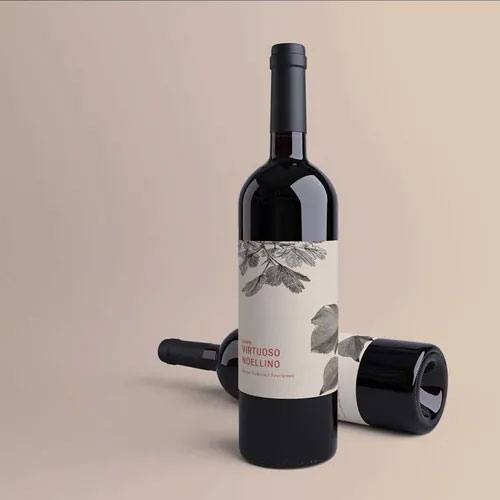
A wine range works best when every bottle looks like part of the same family. Premium wine labels let you run your whole range through one order, with up to nine artwork versions printed on the same uncoated stock. This post covers how versions work, what the uncoated paper brings to each bottle and a few checks to run before you upload.
The Essentials
- One order can carry up to nine artwork versions, so every wine in your range gets its own label.
- Premium wine labels are printed on uncoated, unlaminated paper with a soft texture buyers notice straight away.
- An Indigo digital press gives crisp type and consistent colour across every version on the uncoated stock.
- The paper handles condensation and won't break down in an ice bucket.
- Labels are printed to order from 250 up and dispatched within 3 to 5 business days.
Most NSW wineries make more than one wine. There's usually the shiraz everyone knows, plus a rosé that tends to disappear before Christmas. Each bottle needs its own personalised wine label, and each label still has to look like part of the same family. Plenty of small producers assume that means a separate print run for every wine, with a separate bill to match.
Good news, it doesn't have to. A single order of personalised wine labels can carry up to nine different artwork versions, all printed on the same premium uncoated stock. Your cab sav and your pinot noir go through one checkout and one delivery. The labels also come out matched in colour and texture, which is exactly how a range should look on a shelf.
One Order for the Whole Cellar
The maths is simple. Pick your size and quantity, then choose how many versions the order covers. Order 250 labels with two versions and the run splits evenly, so you get 125 of each. If your Shiraz outsells the rosé three to one, add a breakdown in the order comments and the split follows your numbers instead.
Size is set for the whole order, so every version shares the same dimensions. Sizes run from 60 x 120 mm up to 120 x 200 mm, which gives you a good spread for front and back labels. If your back labels need a different size from your fronts, set them up as a separate order and keep the versions trick for the fronts.
Versions come in handy for more than splitting varieties. You can use them for brand storytelling across a whole range, keeping one layout and changing a single element on each bottle. That might be a colour band for each variety, or the name of the vineyard block the fruit came from. The shared design ties everything together while each wine still gets its own personality.
A Stock That Does the Talking
Premium wine labels come on uncoated, unlaminated paper with a soft, natural texture. People notice it the moment they pick up a bottle, because it feels closer to good stationery than a sticker. Every personalised wine label in the order carries that same texture, so your everyday white and your reserve red feel like they came from the same cellar.
Every version is printed on an Indigo digital press, the same class of press large multinational wine producers rely on. On this uncoated stock, it produces crisp type and consistent colour, so small back-label text stays sharp and a deep burgundy keeps its depth. Version five looks as good as version one, which matters when they all share a shelf.
The paper is also built for real wine conditions. It handles condensation and won't break down in an ice bucket, thanks to an internal barrier layer that keeps moisture away from the printed face. A chilled sauvignon blanc at a long lunch keeps its label intact, which boosts perceived value when someone decides whether to order a second bottle.
If a matt or gloss finish suits your brand better, standard wine labels cover that. Premium labels stay uncoated by design, so they never carry a laminate. You could also split your range, using premium stock for reserve wines and standard labels for the everyday drinkers. It's a subtle way to show which bottles sit at the top of the list.
Small Releases Without the Leftovers
Every label is printed to order, so you only pay for what this vintage needs. Quantities start at 250 labels, which suits a small-batch release or a cellar door exclusive. When next year's vintage lands, you upload the updated personalised wine label file and run it again. Nothing sits in a box waiting for a wine you no longer make.
All of the printing happens in Australia, and none of the work goes offshore. For a wine sold on its region, that's a nice fit. A Hunter Valley semillon or a Mudgee shiraz carries a label printed locally, and turnaround stays predictable because nothing is waiting on an international freight run to arrive.
Before You Hit Upload
- Name each artwork file after the wine it belongs to so the right label ends up on the right bottle.
- Keep the layout and fonts consistent across versions unless you want one wine to stand apart on purpose.
- Add a quantity breakdown in the order comments when some wines need more labels than others.
- Select machine applied if a labelling machine will do the work, then choose which direction the labels come off the roll.
- Order a label sample kit first if you want to feel the uncoated stock before committing the whole range.
Your Whole Range, Sorted in One Go
A range looks its best when the bottles clearly belong together, and versions make that easy without multiplying the work. One order can cover every wine you make, on uncoated stock that feels premium and prints sharply. Your personalised wine label for the reserve shiraz and the one for the easy-drinking rosé arrive together, ready for bottling day.
Set up the order, pick your versions and upload every file in one go. Approve the free proofs online. We dispatch your labels within 3 to 5 business days.