

What a Wine Label Goes Through Between Cellar and Glass
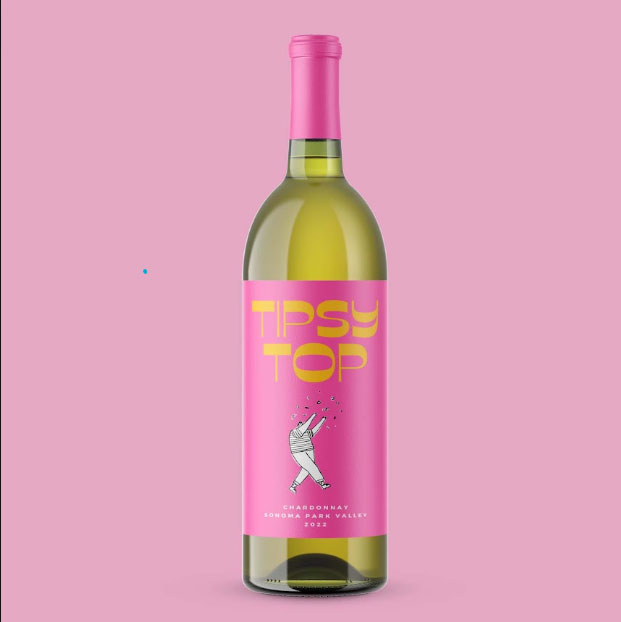
A wine label must survive transport, cold storage and ice buckets before anyone reads it. This post explains which paper stocks cope with those conditions, where uncoated premium materials fit, how texture changes printed artwork, and why small online print runs suit producers working vintage by vintage.
Quick Points
- Wine label stocks are built for chilling, condensation and temperature changes that defeat general-purpose paper.
- Premium uncoated wine stocks carry an internal barrier layer and are never laminated, so matt and gloss finishes apply only to standard wine labels.
- Water travels along paper fibres, which is why material choice decides how a label looks after an ice bucket.
- Textured uncoated sheets change how ink settles, giving artwork a softer printed character.
- Small online print runs let producers update labels each vintage without waste.
A label on a wine bottle has a harder life than most people imagine. It gets packed into cartons, trucked across the country, stacked in cool storage, then plunged into an ice bucket at a dinner table. Each stage tests the paper and the adhesive in a different way, and the design only matters if the label survives all of them.
Picking the Right Wine Bottle Label Stock
Producers across NSW and the rest of Australia tend to focus on artwork first, yet the material carries just as much weight in how a wine bottle label performs. Stocks developed for wine bottling are built to cope with chilling, condensation and the shift from cold storage to a warm room. General-purpose paper rarely manages the same conditions without lifting at the edges.
Uncoated Paper for a Premium Look and Feel
Texture sells wine before anyone tastes it. Uncoated paper gives a bottle a handmade, considered appearance buyers associate with smaller producers, and premium wine stocks include an internal barrier layer that stops moisture from the bottle reaching the face of the label. Matt and gloss finishes belong to standard wine label stocks instead, since the premium uncoated option is never laminated.
Why Ice Buckets Do Not Ruin Good Wine Labels
An ice bucket is the hardest test a label faces, and it is worth understanding why. Water creeps along paper fibres through capillary action, which is how a poorly chosen stock ends up wrinkled and stained within minutes. Wine label materials resist this because the adhesive and the face stock are both designed around prolonged contact with cold water.
How Paper Texture Changes the Printed Result
Print behaves differently on textured surfaces, and this is something worth discussing before artwork is finalised. The direction of the paper grain and the roughness of an uncoated sheet affect how ink settles, which gives type and illustrations a softer, more natural character than a laminated surface. Digital presses handle these stocks well, so fine detail still comes through cleanly.
Ordering Labels in Quantities That Match a Vintage
Wine production does not suit huge fixed print runs, since each vintage brings a new year, sometimes a new blend, and occasionally a complete redesign. Ordering online in smaller batches solves this. Artwork is uploaded and approved via the online portal. Production then takes between 3-5 business plus delivery, which suits producers labelling by hand or in small bottling runs.
Before the Next Bottling Run
The sensible order of decisions runs material first, finish second, artwork last. Choose a stock built for wine conditions, decide between the uncoated premium feel and a standard finished label, then design within those limits. The bottle that comes out of an ice bucket with its label intact is the one guests remember for the wine rather than the wet paper sliding off it.